 Log In
Search




 Open Access
 mengqy@sumhs.edu.cn
As a primary weight-bearing joint, the ankle is highly susceptible to injury, while neurological disorders such as stroke can further impair its motor function, leading to long-term gait disturbances.
Rehabilitation robots can be platform-based or wearable: platforms aid early-stage motion restoration, while wearable designs focus on gait retraining.
Control systems must prioritize motion accuracy and safety. Adaptive algorithms boost performance, while bioelectric signal integration enables intention recognition. Coupling with virtual or augmented reality further enhances patient engagement.
Open Accessmengqy@sumhs.edu.cnAs a primary weight-bearing joint, the ankle is highly susceptible to injury, while neurological disorders such as stroke can further impair its motor function, leading to long-term gait disturbances.
Rehabilitation robots can be platform-based or wearable: platforms aid early-stage motion restoration, while wearable designs focus on gait retraining.
Control systems must prioritize motion accuracy and safety. Adaptive algorithms boost performance, while bioelectric signal integration enables intention recognition. Coupling with virtual or augmented reality further enhances patient engagement.
Ankle rehabilitation robots represent an important branch of rehabilitation robotics, offering significant potential to improve the quality of life for patients with ankle dysfunction caused by stroke, sports injuries, and other conditions. This review first outlines the anatomy and range of motion of the ankle joint, compares conventional rehabilitation approaches with robot-assisted therapy, and highlights the clinical significance of ankle rehabilitation robots. It then systematically examines current research progress from two core perspectives: mechanical structure design and control strategies. In mechanical design, the performance characteristics of series versus parallel mechanisms are compared, the advantages and limitations of actuation methods such as electric motors and pneumatic artificial muscles are analyzed, and the application contexts of platform-based and wearable robots are discussed. In control strategies, the discussion covers motion control and human-robot interaction, beginning with fundamental position, velocity, and trajectory tracking control, and extending to intention-level and cognitive interaction. Finally, based on current research and clinical needs, future ankle rehabilitation robots are expected to evolve toward greater flexibility, intelligence, and universality, providing a theoretical foundation for future studies.
As the joint with the highest load-bearing capacity in the human body, the ankle has a complex physiological structure. Its bony anatomy and degrees of freedom (DOF) are shown in Figure 1 [1]. The ankle joint is primarily composed of the tibia, fibula, talus, and calcaneus, and has three DOF: dorsiflexion/plantarflexion (DO/PL) in the sagittal plane, adduction/abduction (AD/AB) in the horizontal plane, and inversion/eversion (IN/EV) in the coronal plane.

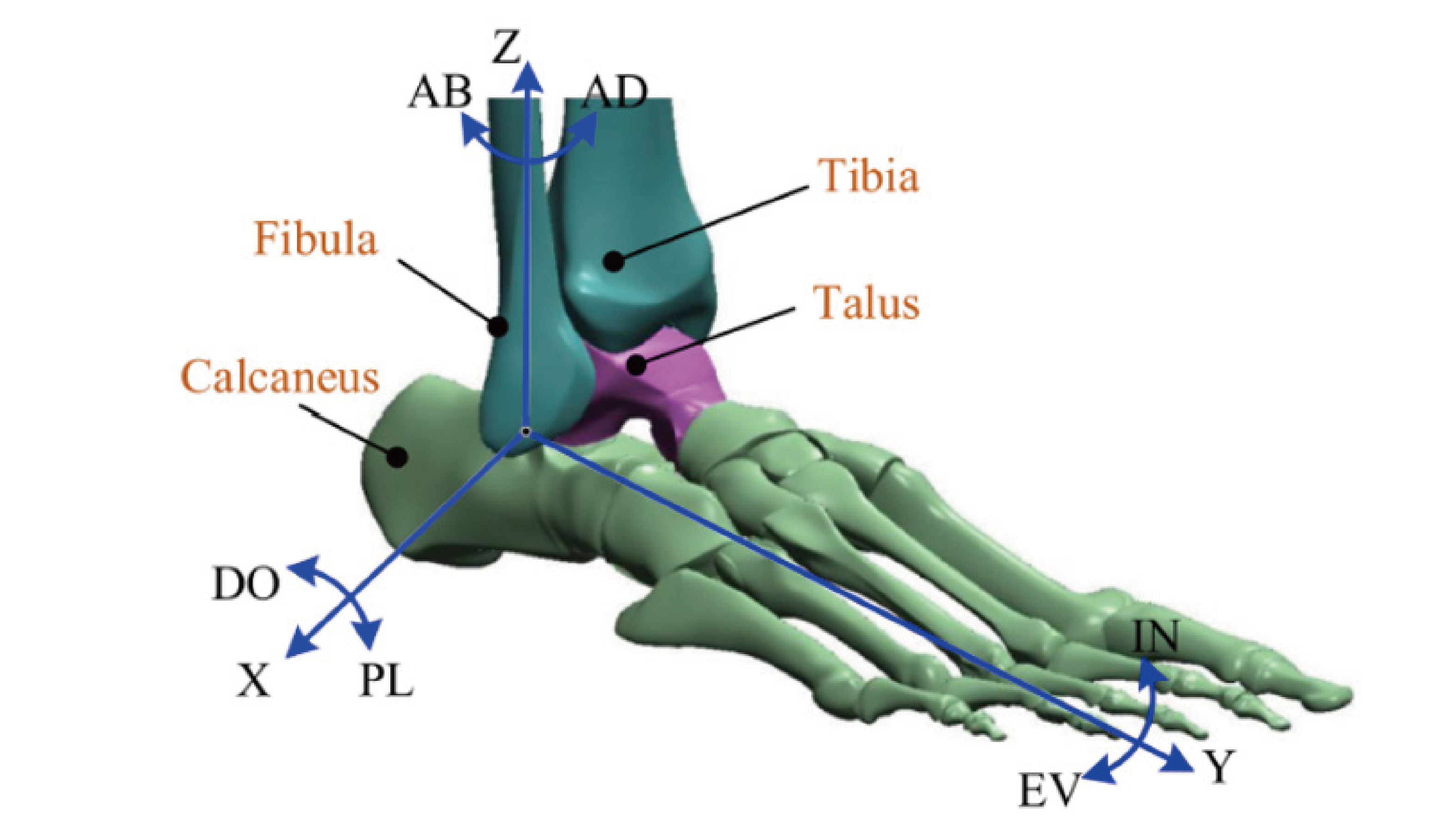
Figure 1. Bony structure and degrees of freedom (DOF) of the ankle joint. This figure is cited from [1]. AD/AB, Adduction/Abduction; IN/EV, Inversion/Eversion; DO/PL, Dorsiflexion/Plantarflexion.
The ankle is highly susceptible to both acute injuries and chronic disorders. As the primary load-bearing joint of the skeleton, it sustains forces approximately five times body weight during normal walking and up to 13 times body weight during running [2]. Consequently, ankle sprains are among the most common sports injuries, accounting for about 7-10% of all cases [3]. Anatomically, the medial malleolus is formed by the distal tibia, whereas the lateral malleolus is formed by the distal fibula. Because the lateral malleolus is positioned lower and the medial deltoid ligament is stronger than the lateral ligament complex, the ankle is more prone to inversion injuries [4].
Notably, up to 50% of patients with acute ankle sprains do not seek formal medical care, leading to recurrent sprains over subsequent months or years. Even with structured rehabilitation, up to 70% experience persistent functional impairment within 6 months, progressing to functional ankle instability [5].
In addition to trauma, chronic neurological conditions—particularly stroke—can severely impair ankle motor function [6]. According to the World Health Organization, the proportion of the global population aged ≥60 years will rise from 12% in 2015 to 22% in 2050, reaching 2.1 billion people [7]. As stroke prevalence increases with age, the incidence of stroke-related ankle dysfunction is expected to rise accordingly.
Ankle injuries, which often result in long-term pain and functional limitations even after the initial recovery, restrict daily activities and diminish quality of life [8]. Patients often face gait instability, balance deficits, and difficulty walking, substantially reducing independence. Therefore, restoring motor function and mobility is a clinical priority.
Rehabilitation training has been shown to improve post-stroke outcomes, prevent muscle atrophy and deep vein thrombosis, and enhance mobility [9, 10]. Early rehabilitation after ankle injury is essential to minimize the adverse effects of prolonged bed rest. Current rehabilitation programs typically include stretching, gait training, constraint-induced movement therapy, and other neuroplasticity-enhancing interventions [11]. However, conventional rehabilitation requires intensive involvement from medical teams and family members, and is limited by constrained healthcare resources, high costs, low efficiency, and inconsistent movement quality [12].
Robot-assisted therapy offers a promising solution to these challenges [13]. It enables more effective, standardized rehabilitation under medical supervision, mitigates workforce shortages, reduces costs, and improves training efficiency. Furthermore, rehabilitation robots can collect detailed kinematic and kinetic data to monitor progress. When combined with virtual reality (VR), such systems can enhance patient engagement and motivation, benefiting both physical and psychological recovery [14-16].
This review summarizes advances in ankle rehabilitation robot design and control strategies based on a comprehensive literature survey. Section 2 discusses mechanical design classifications, Section 3 examines control strategy classifications, and Section 4 presents conclusions and future perspectives.
The mechanical structure of an ankle rehabilitation robot is a key determinant of its motion performance and therapeutic efficacy. Based on design approach, current systems can be classified as series, parallel, or hybrid structures. Series configurations are lightweight and mechanically simple but have limited capacity to replicate the ankle’s complex motions. Parallel configurations offer high precision and large torque output but have a restricted range of motion. Hybrid configurations combine the strengths of both, balancing flexibility and stability, though their structural complexity often leads to classification under either predominantly series or parallel designs.
The choice of actuation method—such as electric motors or pneumatic muscle actuators (PMAs)—also influences flexibility and energy efficiency. Motor drives are more suitable for late-stage rehabilitation requiring high precision and rapid response, whereas PMAs are preferred in early-stage rehabilitation where safety and compliance are prioritized.
In early rehabilitation, rigid platform-based devices can provide stabilizing support and improve ankle range of motion through passive and active training modes. During gait recovery, flexible wearable robots facilitate real-time, dynamic assistance to restore a normal gait cycle. Table 1 summarizes the structural characteristics, suitable rehabilitation stages, advantages, and limitations of platform-based versus wearable ankle rehabilitation robots.
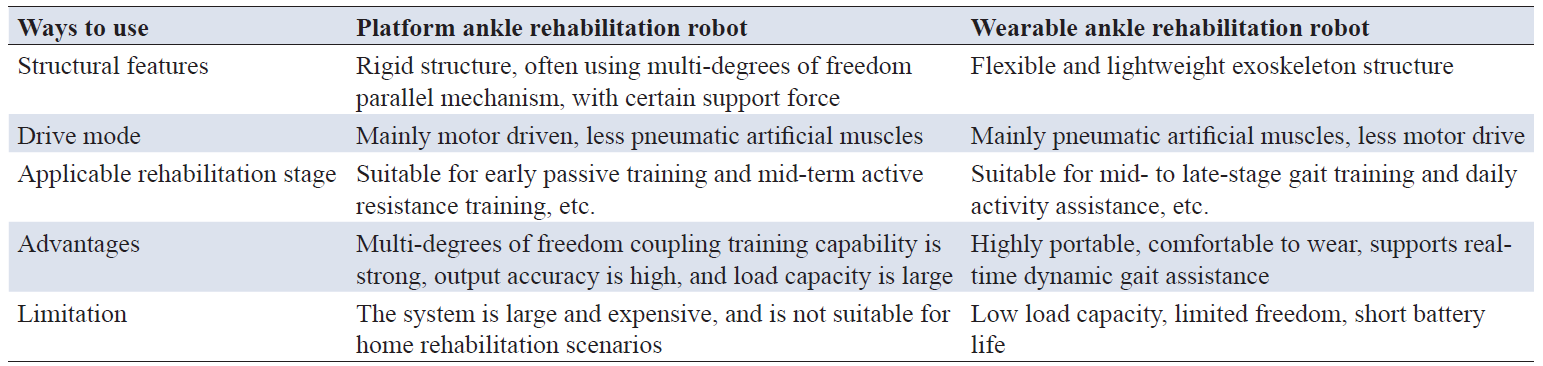
2.1 Structural form
2.1.1 Series structure
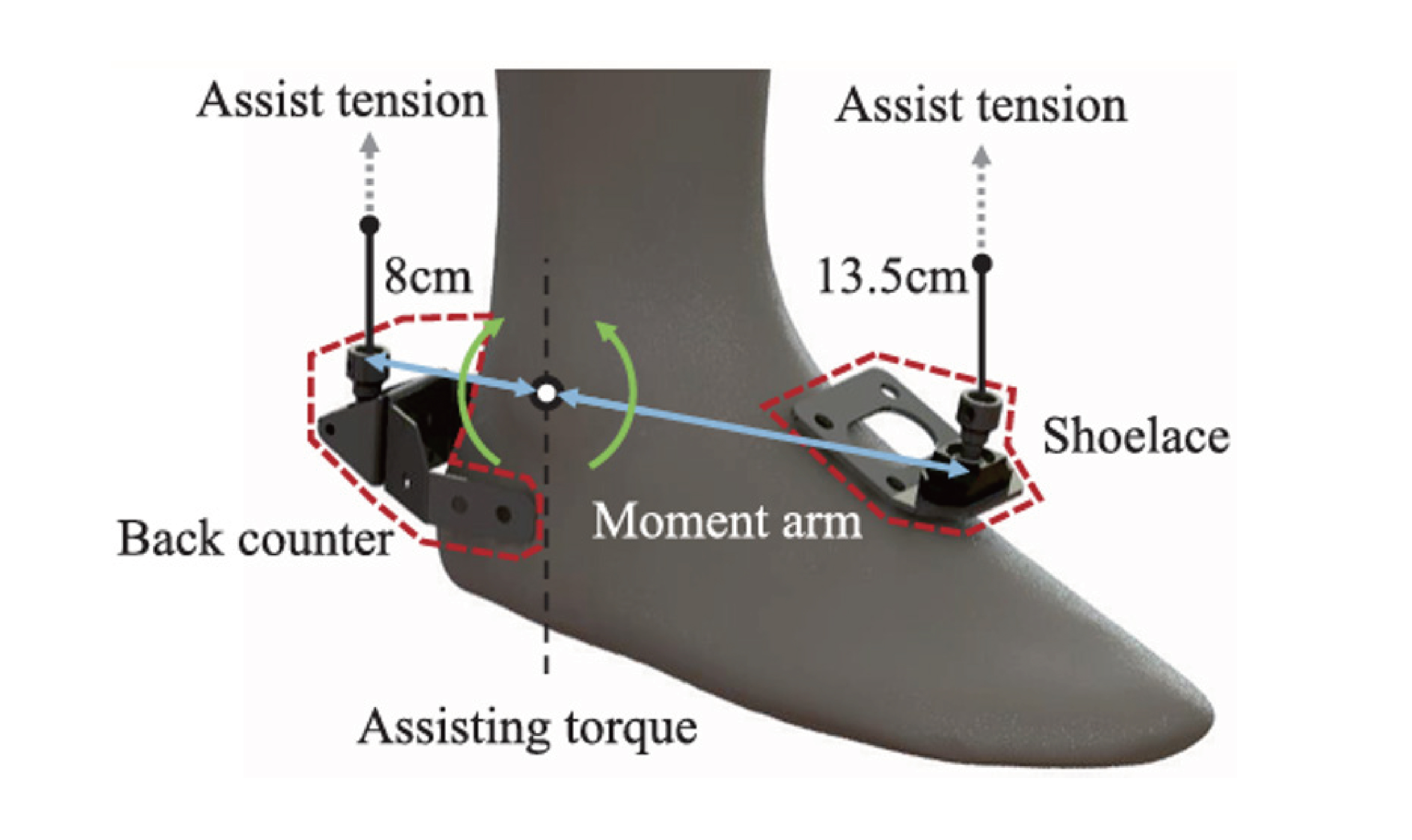
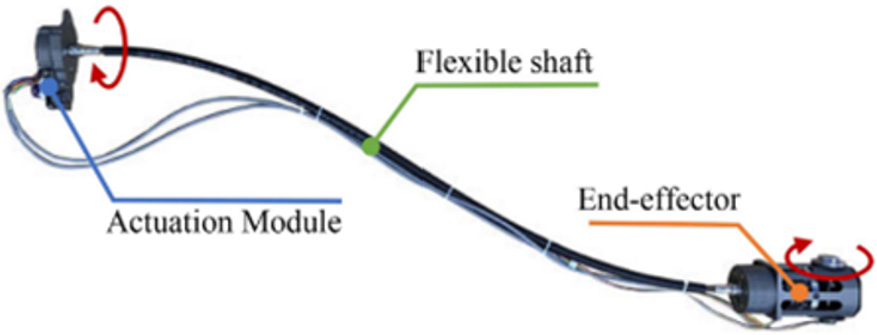
Lee et al. developed a compact cable-driven series elastic actuator (SEA) capable of lightweight design and high-precision torque output, achieved through gait-phase–synchronized feedforward friction compensation and nonlinear spring control [17]. This device targets foot drop and propulsion deficits in stroke patients but does not provide full ankle joint DOF (Figure 2).
Eraky et al. designed a personalized ankle exoskeleton employing an SEA with cable drive and 3D scanning–based customization, enabling both lightweight construction and high torque output [18]. However, it lacks full ankle DOF coverage and requires individualized parameter adjustments (Figure 3).
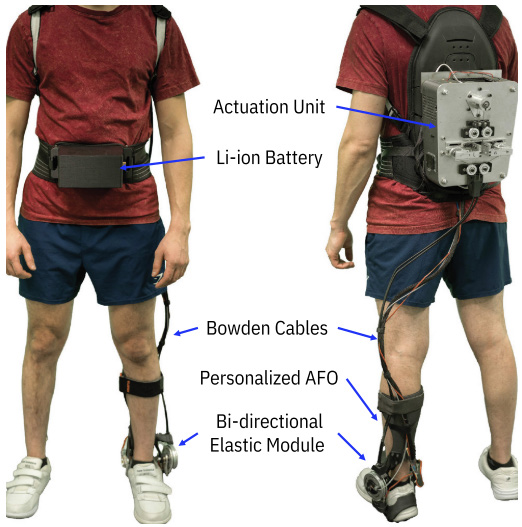
2.1.2 Parallel structure
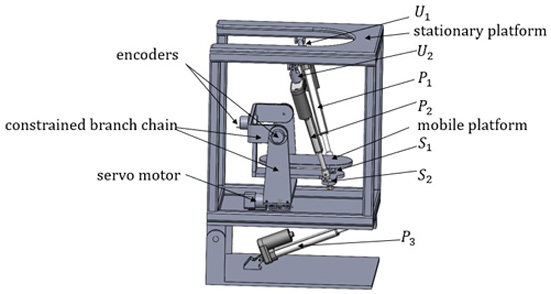
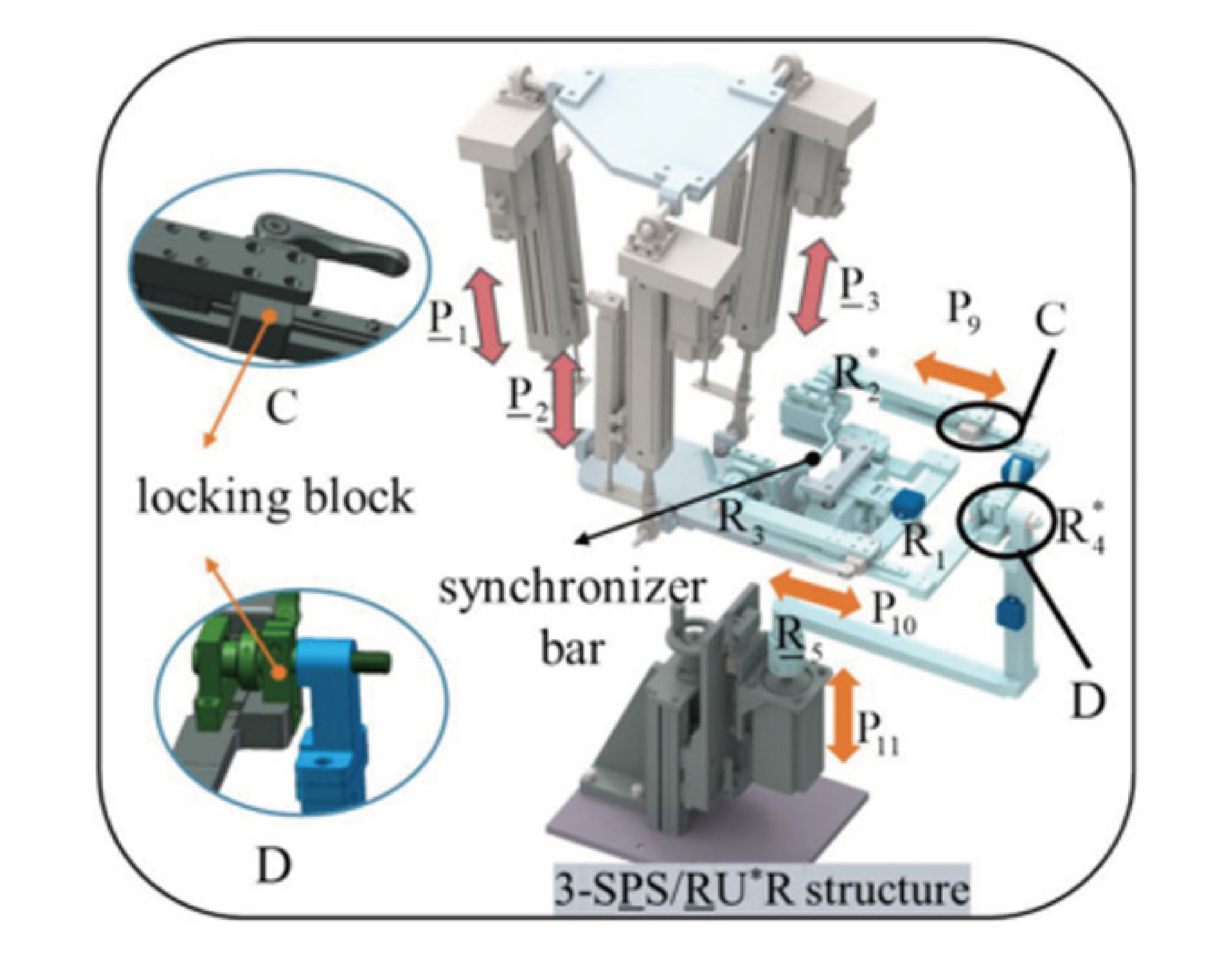
Wang et al. designed a novel 2-UPS/RRR parallel ankle rehabilitation robot (PARR) and developed a height-adjustable mobile platform to align with the ankle rotation center of different patients (Figure 5) [20]. The 2-UPS/RRR mechanism consists of two UPS active branches and one RRR passive branch, forming a 3 DOF parallel mechanism. Each UPS branch comprises a universal (U) joint, a prismatic (P) joint, and a spherical (S) joint in series, while the RRR branch consists of three revolute (R) joints in series.
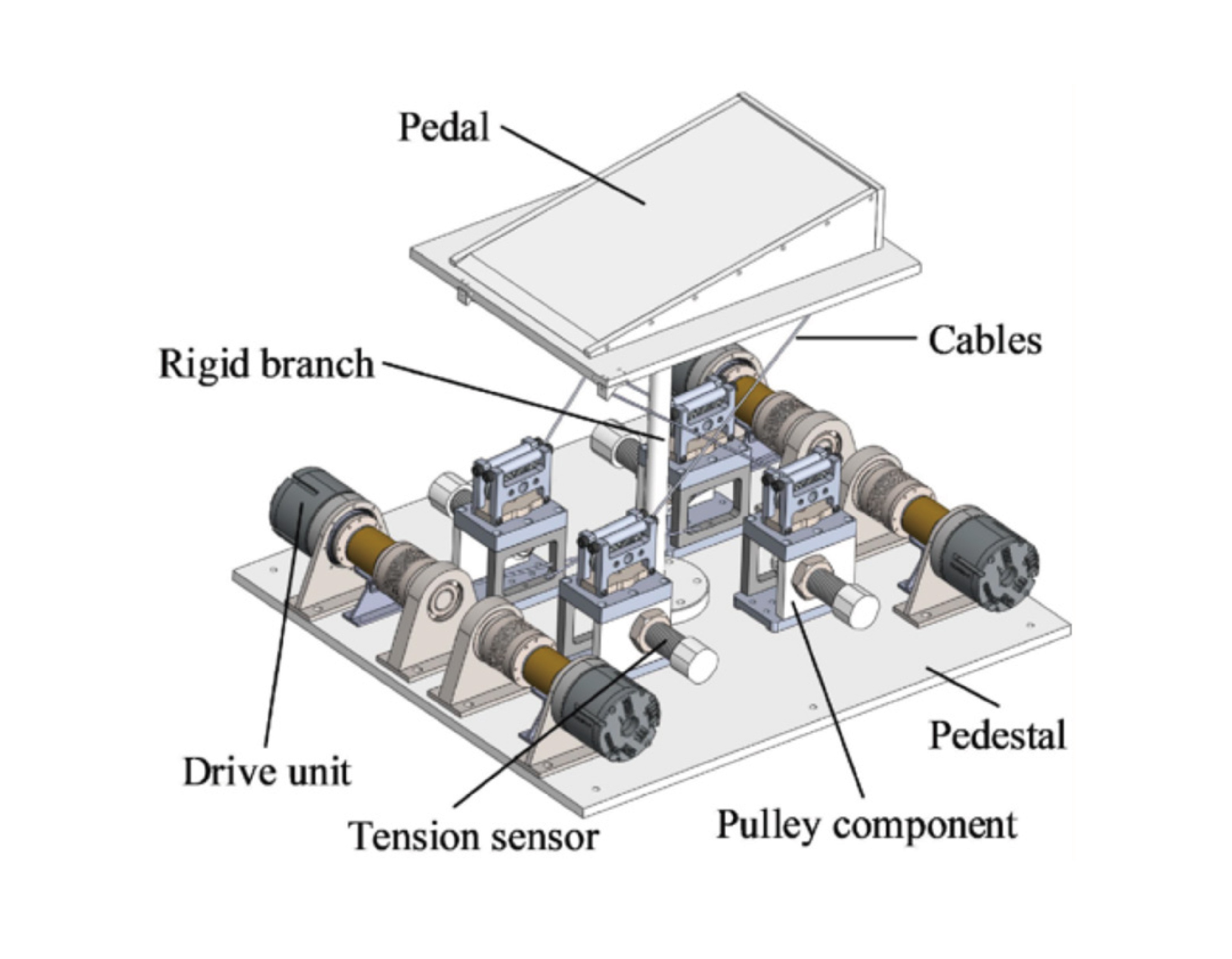
Huo et al. developed a full-cycle PARR with large angular range, high torque, and multi-DOF coupled rehabilitation capabilities [21]. The design achieves complete constraint through rigid branches without applying additional force to the ankle, employs a cable drive, and offers three DOF (Figure 6).
2.2 Drive mode
2.2.1 Motor drive
Motors convert electrical energy into mechanical energy via an electromagnetic field, delivering torque or rotational speed. Through mechanical connections such as gears and synchronous belts, the output is linearly related to the input signal, and the electromagnetic response time is extremely short. Consequently, motor control offers high precision and rapid response. However, motors are relatively heavy, have low power density, and often require a reducer. Common types include direct current (DC) motors, servo motors, and stepper motors. DC motors are suited for medium-precision, medium-load control; servo motors are preferred for high-precision, high-power applications; and stepper motors are ideal for low-speed, high-precision tasks.
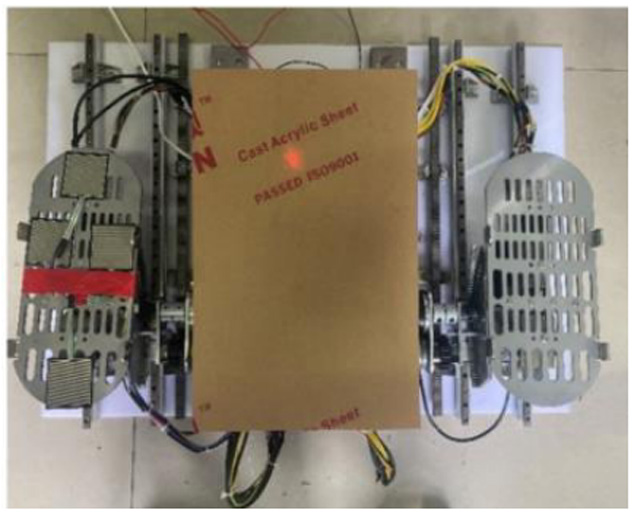
Wu et al. developed an end-effector ankle rehabilitation robot using magnetic field–oriented control to drive a brushless DC motor, combined with planetary reduction gears of varying ratios to power all ankle motion actuators on a slider (Figure 8) [23].
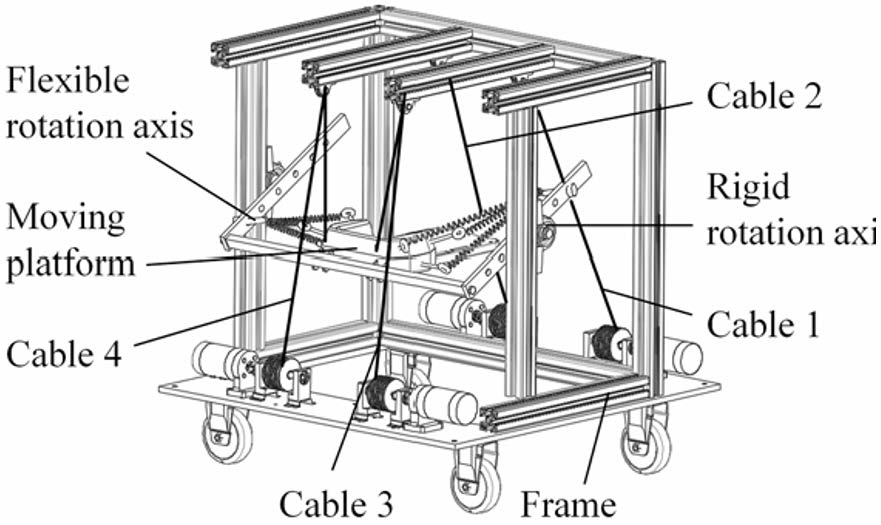
Zeng et al. designed a rope-driven flexible ankle rehabilitation robot inspired by bionic principles [24]. The rope system, directly connected to the mobile platform via a steering pulley, is actuated by a servo motor. By employing a flexible equivalent motion axis and rope-drive mechanism that mimic the physiological ankle structure, this design addresses the human–machine motion mismatch seen in rigid ankle rehabilitation robots, enabling more natural movement compatibility (Figure 9).
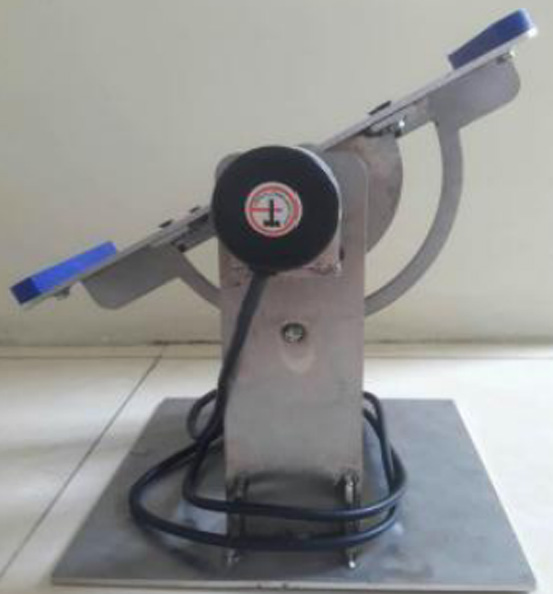
2.2.2 PMA
PMAs offer muscle-like compliance, making them well-suited for rehabilitation robots requiring flexibility and human-like motion, particularly in early rehabilitation stages or for compliant control. PMAs operate by using compressed air to contract a rubber or fabric tube, generating tension through material deformation. However, elastic hysteresis, creep, and the pressure transmission delay caused by air compression/expansion reduce control accuracy.
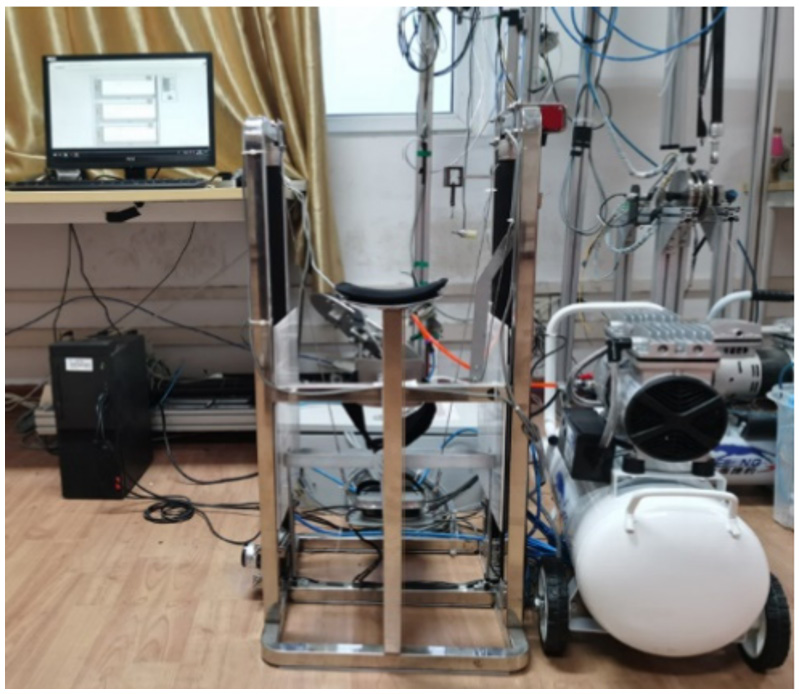
Lu et al. developed a flexible multi-DOF ankle rehabilitation robot using five PMAs, with tension transmitted to the moving platform via a flexible cable–pulley system [26]. A redundant drive configuration ensures forced closure and high platform stability (Figure 11).
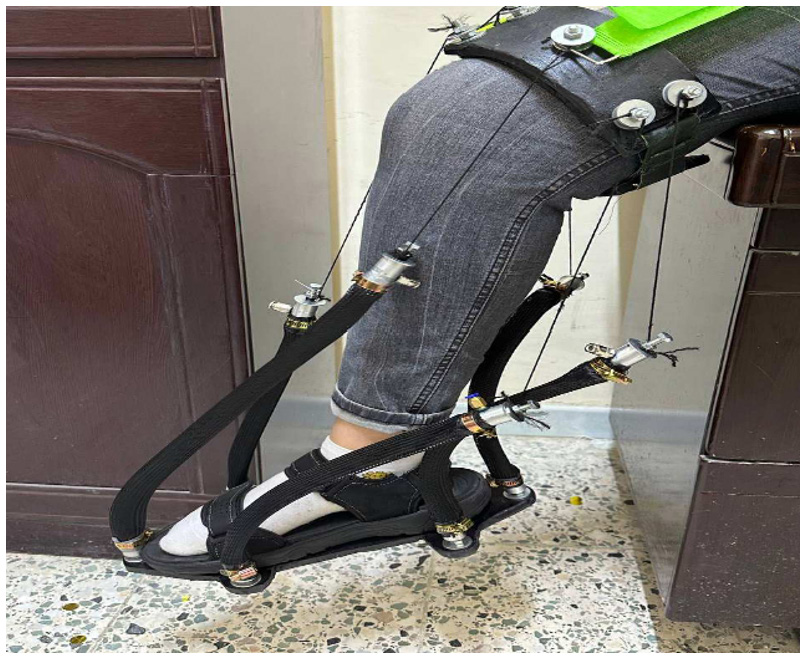
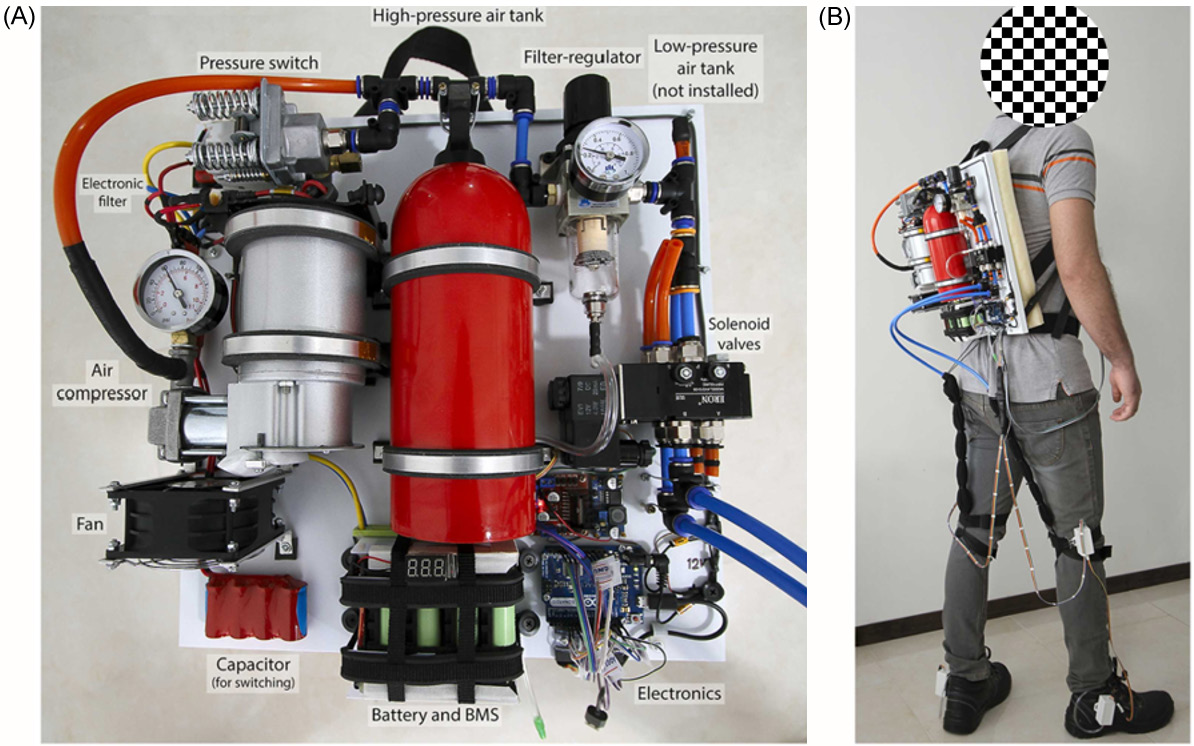
Shamkhani et al. designed a wearable flexible ankle rehabilitation robot powered by six PMAs positioned around the foot (front, back, left, and right) [27]. Inflation and deflation of each PMA are manually controlled to provide assistance in all ankle joint directions (Figure 12).
2.3 Ways to use
2.3.1 Platform ankle rehabilitation robot
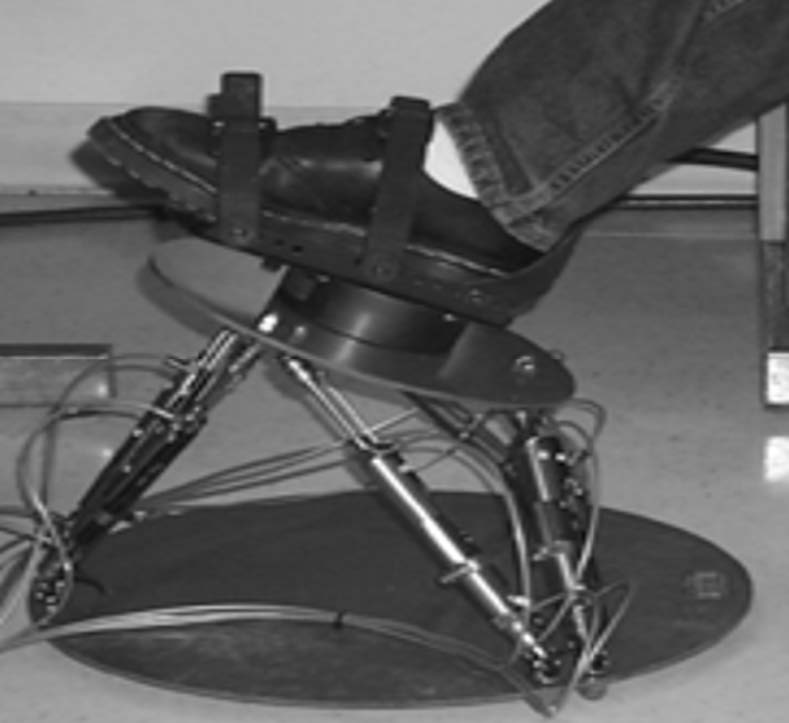
Early ankle rehabilitation robots typically featured only 1-2 DOF and limited functionality. Since Girone et al. at Rutgers State University introduced the "Rutgers Ankle"—a 6 DOF PARR driven by pneumatic actuators based on a Stewart platform—the field has advanced significantly (Figure 14) [29]. The Stewart platform, widely used in flight simulators, precision positioning systems, robotics, and medical rehabilitation, comprises two parallel rigid platforms: a fixed lower platform and a movable upper platform with 6 DOF. The platforms are translational and rotational motion of the upper platform in space.
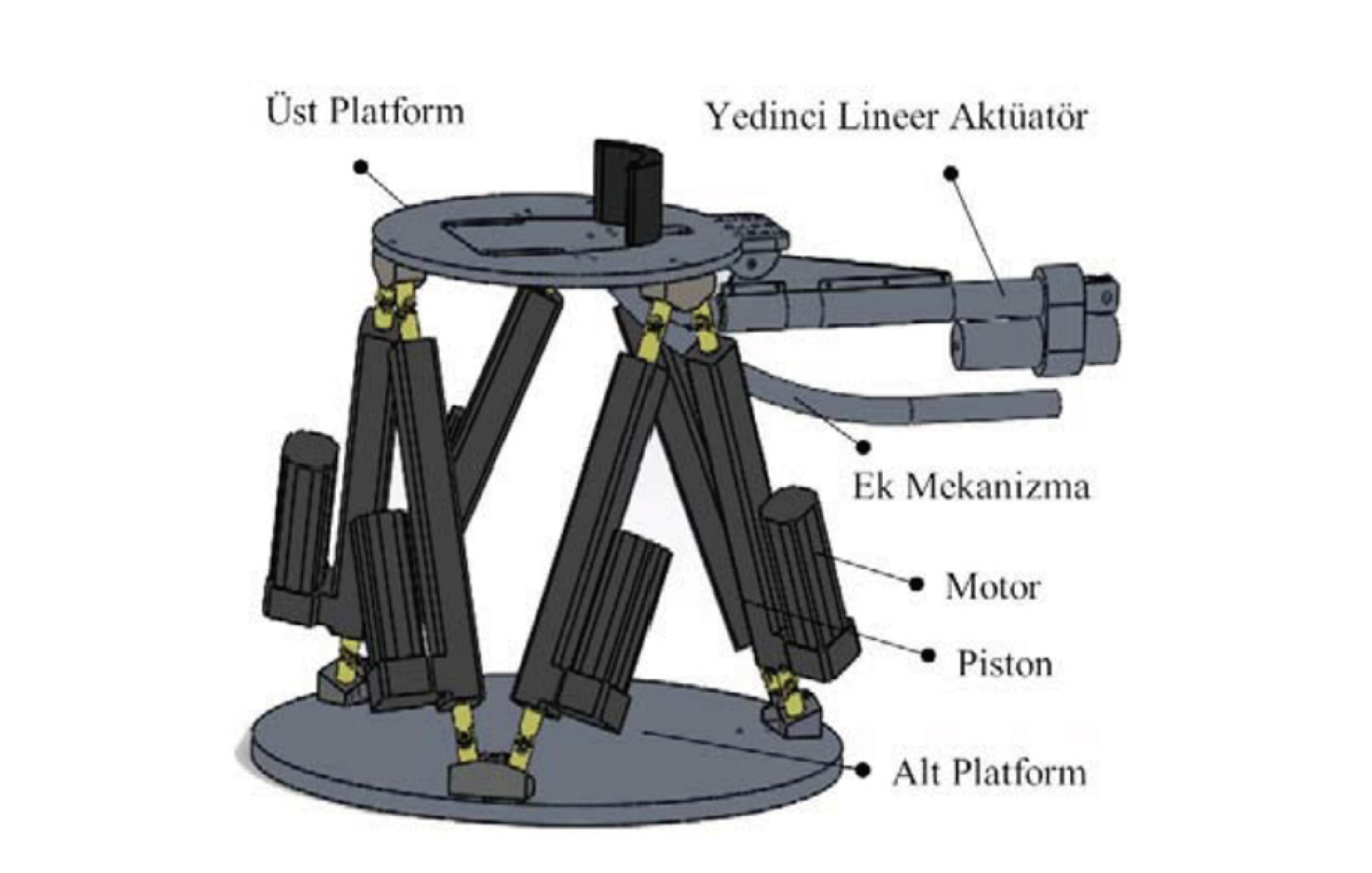
Budaklı et al. developed a rehabilitation robot capable of simultaneous ankle and knee therapy by incorporating a seventh linear actuator and a specially designed mechanical structure, thereby expanding the traditional Stewart platform's workspace to accommodate knee rehabilitation (Figure 15) [30].
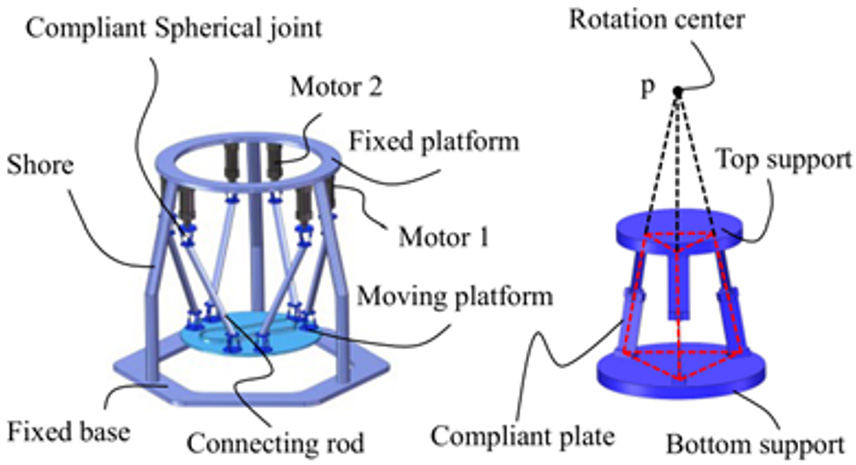
Wang et al. proposed a 6 DOF PARR employing flexible ball joints [31]. This design uses motor actuation, replaces conventional spherical joints with flexible hinge technology to eliminate clearance errors, and integrates Stewart platform architecture with compliant mechanism technology to form a novel hybrid structure (Figure 16).
2.3.2 Wearable ankle rehabilitation robot
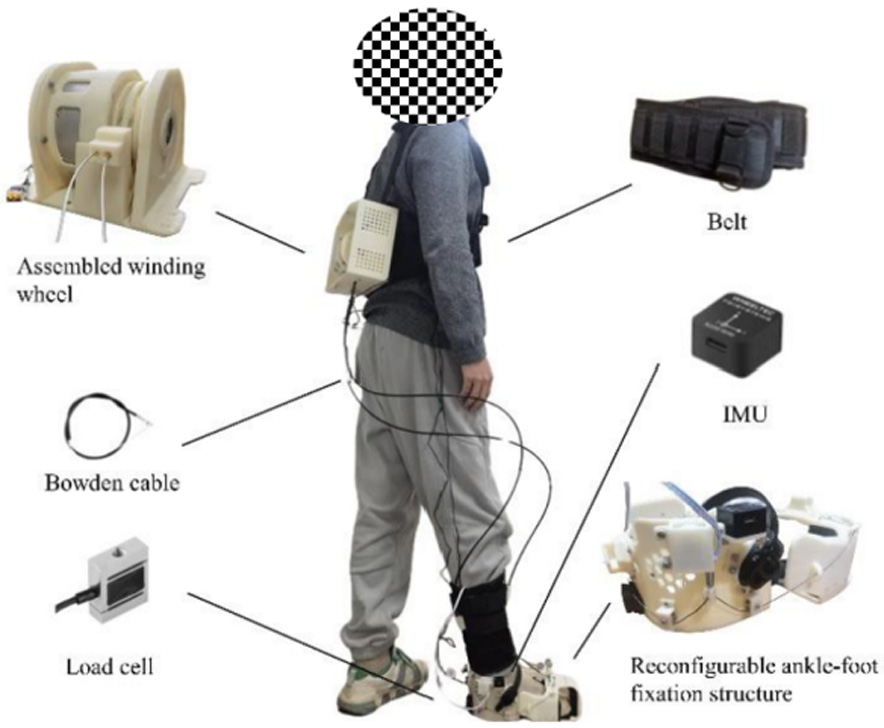
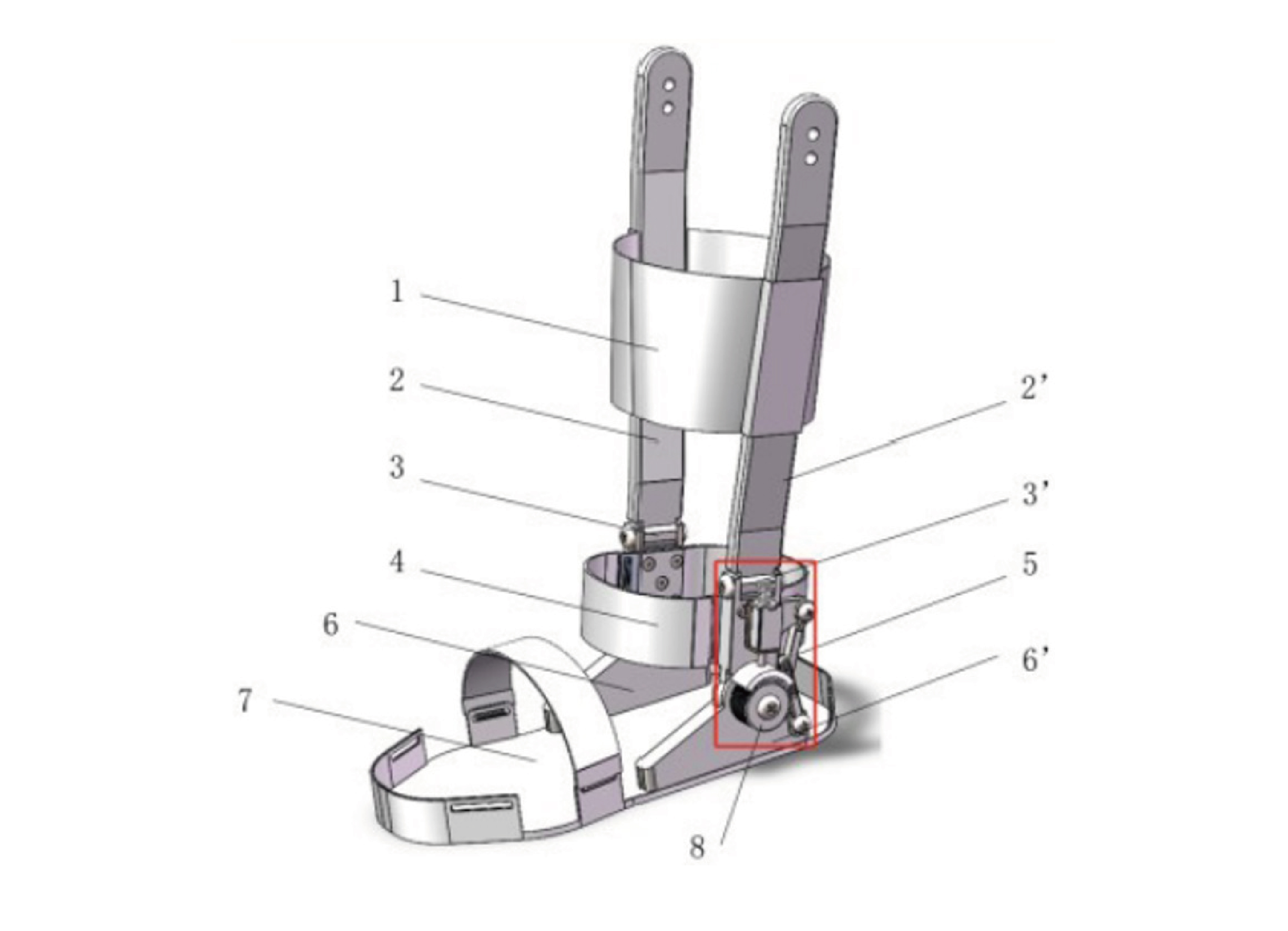
Xia et al. developed a wearable rope-driven ankle exoskele-ton capable of providing DO/PL assistance [33]. The system employs an iterative adaptive threshold algorithm combined with a peak detection algorithm to identify gait patterns in real time, enhancing detection accuracy. A hierarchical adaptive force–position hybrid control strategy is implemented to dynamically adjust control modes and optimize assistance. Preliminary tests on three healthy subjects demonstrated that the device effectively reduced metabolic cost during walking (Figure 17).
Ankle rehabilitation robots employ various control methods, each of which can influence the patient's rehabilitation experience. Control strategies can be classified according to factors such as control objectives, interaction modes, and feedback signal types. For clarity, these strategies can be divided into two core categories: motion control and human–robot interaction control, corresponding to low-level and high-level control, respectively.
Low-level control focuses on the basic motion functions of ankle rehabilitation robots, including position control, speed control, and trajectory tracking. High-level control emphasizes interactive functions, with the most fundamental form being physical-layer interaction—such as force or resistance control. Building on this foundation, control can extend to intention-level interaction, where movement intention is recognized via bioelectrical signals such as electromyography (EMG) or electroencephalography (EEG), and to cognitive interaction, which intention recognition, and cognitive interaction—according to their control strategy.
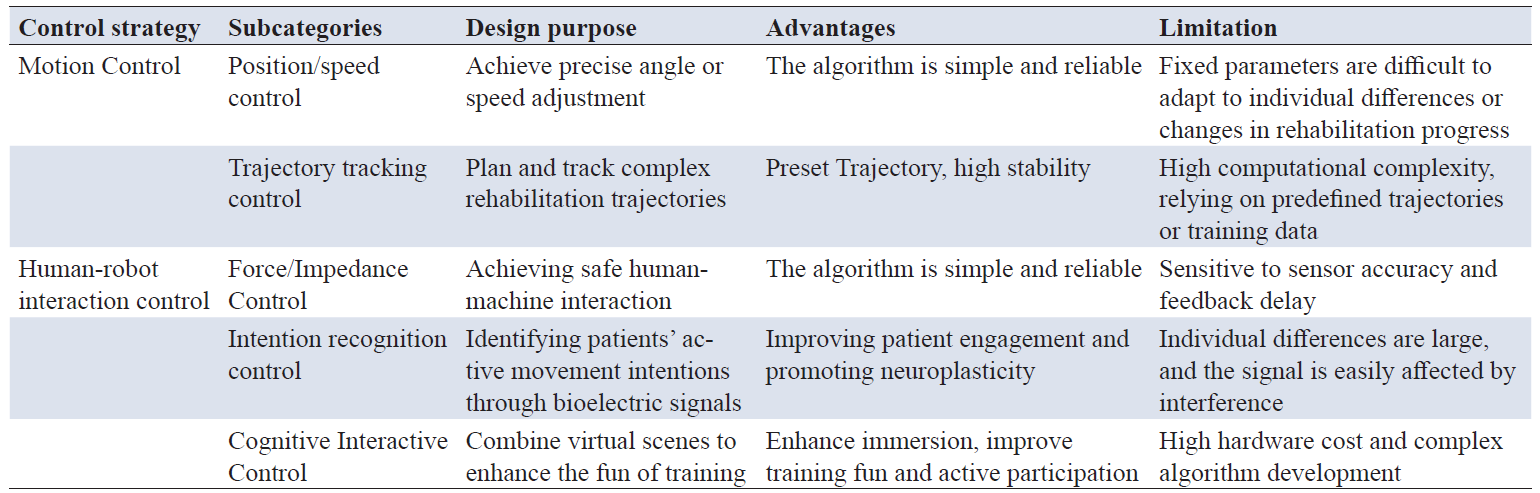
Table 2 summarizes the design objectives, advantages, and limitations of different control methods—including position/speed control, trajectory tracking, force/impedance control, intention recognition, and cognitive interaction—according to their control strategy.
3.1 Motor function control
3.1.1 Position and speed control
Azizi et al. developed a DC motor position control system using a classical proportional–integral–derivative (PID) controller to regulate motor position and speed in ankle rehabilitation robots, enabling precise angle adjustment during training [35]. Lee et al. proposed a 2-DOF ankle exoskeleton employing PID neural network control, in which neural networks adaptively optimize PID parameters, providing high-precision and robust performance [36]. Li et al. introduced an isokinetic muscle training strategy based on adaptive gain and cascade PID control [37]. In this approach, when patients actively exert force, the robot maintains constant-speed motion while applying variable resistance, enhancing muscle training across different joint angles.
3.1.2 Trajectory control
Zhang et al. presented an adaptive trajectory tracking strategy for PARR systems with joint-space force distribution, combining cascade control with a motion-intention–guided algorithm to ensure accurate path following [38]. Liu et al. designed a multi-mode ankle rehabilitation robot for IN/EV training, normal gait training, and stepping training [39]. Dedicated trajectory plans for each mode enable complete motion execution and emergency stops at any position. Wang et al. developed a multi-stage hemiplegic lower-limb exoskeleton [40]. Gait data were collected via motion capture, calibrated with a backpropagation neural network, and fitted using Fourier functions to generate a high-precision trajectory model, achieving accurate multi-joint (hip, knee, ankle) tracking.
3.2 Human-robot interaction control
3.2.1 Force/torque control
Qian et al. proposed an iterative impedance learning method with a dual-loop structure: the outer loop adapts impedance parameters, while the inner loop executes torque control [41]. This allows patient-specific impedance adaptation through repeated tasks, improving interaction quality. Liu et al. developed a redundant pneumatic muscle–cable-driven ankle robot with a hierarchical force–position control scheme [42]. Using the Karush–Kuhn–Tucker theorem and iterative optimization, force distribution is solved as a constrained problem, ensuring all actuators remain in tension for safety and controllability while combining precise trajectory tracking with safe force regulation. Li et al. introduced a dynamic admittance control strategy using a variable-operator fuzzy neural network to adjust virtual damping in real time, reducing muscle fatigue and extending training sessions according to patient needs [43].
3.2.2 Intention recognition control
Shi et al. presented an EEG-driven collaborative control model, extracting EEG deep features via convolutional neural networks and classifying them with a support vector machine to achieve high-precision intention recognition and active control, enhancing patient engagement [44]. Zhou et al. developed an sEMG-based ankle motion prediction model to estimate torque generation during movement, improving adaptability and control accuracy across individual differences [45].
3.2.3 Cognitive interaction control
Covaciu et al. designed a VR-based intelligent ankle rehabilitation system with an apple-catching game [46]. Motion data from accelerometers, gyroscopes, and EMG sensors are processed using a k-nearest neighbors algorithm to adapt task difficulty and control strategies, reducing therapist workload while enhancing engagement. Zhang et al. proposed a VR-assisted decision model based on a convolutional gated recurrent neural network, optimized via the whale optimization algorithm [47]. Immersive environments such as space walking and mountain climbing allow patients to control virtual characters through ankle movements for tasks like path following and obstacle avoidance. Vaida et al. developed an AR-integrated lower-limb rehabilitation system combining the LegUp parallel robot with HoloLens 2 [48]. Serious-game modules ("football mode" and "color mode") target motor coordination, strength, and cognitive training, offering multi-plane hip, knee, and ankle rehabilitation with real-time feedback.
This review summarizes recent progress in the mechanical design and control strategies of ankle rehabilitation robots, highlighting notable advances while identifying persistent limitations. Series structures, though lightweight and suited for simple motion training, have limited dynamic performance, whereas parallel structures provide high precision and multi-DOF capability but require complex control, making them more appropriate for advanced rehabilitation and currently the most widely adopted. In actuation, motor drives offer high precision and strong rigidity for heavy-load applications but are less flexible, heavier, and less portable, while pneumatic muscles enable compliant control and passive stretching in early rehabilitation but suffer from nonlinear air pressure characteristics, inflation/deflation delays, and limited high-frequency responsiveness. Platform-based systems deliver stable support and accurate multi-DOF motion for early-stage passive training but are bulky and unsuitable for home use, whereas wearable devices, despite their portability, have lower load capacity and DOF, rely on batteries or pneumatic systems, and are better suited for mid- to late-stage gait recovery. Motion control strategies based on traditional robotics provide reliable and easy-to-implement algorithms for passive rehabilitation but are limited to basic movement execution, often failing to adapt to patient-specific needs or detect active intentions, which may reduce engagement. Human–robot interaction control, incorporating biological signals or VR/AR, enables more active participation, with intention recognition emerging as a key research focus; however, signal noise, individual variability, and real-time constraints remain technical challenges, and VR/AR integration, while improving engagement, increases system complexity and cost. Looking forward, the development of ankle rehabilitation robots is expected to move toward greater flexibility, intelligence, and accessibility by combining lightweight designs with flexible materials to enhance comfort, integrating multimodal biosignals such as EMG, EEG, plantar pressure, and inertial measurements into efficient AI-based control for improved intention recognition, and enriching VR/AR interaction through eye tracking, tactile feedback, and biomechanical sensing to create more immersive and realistic training. At the clinical level, adopting modular designs and scalable manufacturing will help reduce costs, enabling broader access to high-quality rehabilitation for patients in need.
Author contributions
Jiajia Zha: Conceptualization, Methodology (Discussion), and Writing original draft preparation. Qingyun Meng: Conceptualization, Supervision, Project administration, and Writing reviewing and revising. Hongtao Shen and Mingxia Wei: Critical review and editing of the manuscript. All authors have read and agreed to the published version of the manuscript and ensure the integrity of the work.
Funding
This research received no external funding.
Data availability
All data analyzed during this study are included in this published article. No new data were created or analyzed.
Ethics approval and consent to participate
Not applicable. This is a literature review article that does not involve any new studies with human participants or animals.
Consent for publication
Not applicable.
Competing interests
The authors declare that they have no competing interests.
Acknowledgements
Not applicable.
[1] Dong M, Zhou Y, Li J, Rong X, Fan W, Zhou X, et al. State of the art in parallel ankle rehabilitation robot: A systematic review. J Neuroeng Rehabil. 2021 Mar 20;18(1):52. https://doi.org/10.1186/s12984-021-00845-z
[2] Brockett CL, Chapman GJ. Biomechanics of the ankle. Orthop Trauma. 2016 Jun 15;30(3):232-238. https://doi.org/10.1016/j.mporth.2016.04.015
[3] Wells B, Allen C, Deyle G, Croy T. Management of acute grade II lateral ankle sprains with an emphasis on ligament protection: A descriptive case series. Int J Sports Phys Ther. 2019 Jun;14(3):445-458. https://doi.org/10.26603/ijspt20190445
[4] Bonnel F, Toullec E, Mabit C, Tourné Y. Chronic ankle instability: Biomechanics and pathomechanics of ligaments injury and associated lesions. Orthop Traumatol Surg Res. 2010 Jun 1;96(4):424-432. https://doi.org/10.1016/j.otsr.2010.04.003
[5] Yin Y, Lin Q, Wang J. Randomized controlled trial on ankle biomechanics in the treatment of functional ankle instability with joint mobilization. Sci Rep. 2024 Sep 27;14(1):22095. https://doi.org/10.1038/s41598-024-73646-8
[6] Hong R, Li B, Bao Y, Liu L, Jin L. Therapeutic robots for poststroke rehabilitation. Med Rev. 2024 Feb 27;4(1):55-67. https://doi.org/doi:10.1515/mr-2023-0054
[7] Meng W, Zhu C, Liu H, Liu Q, Xie S. Soft ankle-foot exoskeleton for rehabilitation: A systematic review of actuation, sensing, mechanical design, and control strategy. IEEE Trans Med Robot Bionics. 2024 Apr 8;6(2):384-398. https://doi.org/10.1109/TMRB.2024.3385798
[8] Gribble PA, Kleis RE, Simon JE, Vela LI, Thomas AC. Differences in health-related quality of life among patients after ankle injury. Front Sports Act Living. 2022 Aug 3;4:909921. https://doi.org/10.3389/fspor.2022.909921
[9] Xing Y, Yang SD, Dong F, Wang MM, Feng YS, Zhang F. The beneficial role of early exercise training following stroke and possible mechanisms. Life Sci. 2018 Apr 1;198:32-37. https://doi.org/10.1016/j.lfs.2018.02.018
[10] Lee KE, Choi M, Jeoung B. Effectiveness of rehabilitation exercise in improving physical function of stroke patients: A systematic review. Int J Environ Res Public Health. 2022 Oct 5;19(19):12739. https://doi.org/10.3390/ijerph191912739
[11] Dao MD, Tran XT, Pham DP, Ngo QA, Le TTT. Study on the ankle rehabilitation device. Arch Mech Eng. 2022 Dec 31;69(1):147-163. https://doi.org/10.24425/ame.2021.139803
[12] Su F, Xu W. Enhancing brain plasticity to promote stroke recovery. Front Neurol. 2020 Oct 30;11:554089. https://doi.org/10.3389/fneur.2020.554089
[13] Devittori G, Dinacci D, Romiti D, Califfi A, Petrillo C, Rossi P, et al. Unsupervised robot-assisted rehabilitation after stroke: Feasibility, effect on therapy dose, and user experience. J Neuroeng Rehabil. 2024 Apr 9;21(1):52. https://doi.org/10.1186/s12984-024-01347-4
[14] Hau CT, Gouwanda D, Gopalai AA, Low CY, Hanapiah FA. Gamification and control of nitinol based ankle rehabilitation robot. Biomimetics. 2021 Sep 21;6(3):53. https://doi.org/10.3390/biomimetics6030053
[15] Nazar PS, Luebbe N, Pott PP. An affordable and safe system for game-based therapy of the ankle joint. Curr Dir Biomed Eng. 2023 Sep 20;9(1):270-273. https://doi.org/doi:10.1515/cdbme-2023-1068
[16] Ismail MAS, Adib MAHM. Rehabilitation and gamification technology device for lower extremities patient: A review. In: Hassan MHA, Omar MN, Johari NH, Zhong Y, Hassan MHA, Omar MN, Johari NH, Zhong YS, editors. Proceedings of the 2nd Human Engineering Symposium; 2023 Feb 14; Singapore. Springer Nature Singapore; 2023. p. 351-361.
[17] Lee S, Choi S, Ko C, Kim T, Kong K. Design and control of the compact cable-driven series elastic actuator module in soft wearable robot for ankle assistance. Int J Control Autom Syst. 2023 May 2;21(5):1624-1633. https://doi.org/10.1007/s12555-022-0098-4
[18] Eraky MT, Li A, Rocha MH, Teker A, Gebre BA, Nolan KJ, et al. A novel personalized ankle exoskeleton with co-located sea for gait training. 2024 10th IEEE RAS/EMBS International Conference for Biomedical Robotics and Biomechatronics 2024 Sep 1-4; Germany. IEEE; 2024. p. 1715-1720.
[19] Choi S, Kim J, Ko C, Kong K. Flexi-SEA: Flexible-shaft-driven series elastic actuator for wearable robots. IEEE ASME Trans. Mechatron. 2025 Feb 26;30(6):6882-6892. https://doi.org/10.1109/TMECH.2025.3537113
[20] Wang F, Zheng Y, Hou Y, Wang Y, Xiao M. Design and analysis of parallel ankle joint rehabilitation robot. Int J Mechatron Appl Mech. 2024 Jun 14;(16):42-49. https://doi.org/10.17683/ijomam%2Fissue16.5
[21] Huo Y, Khan MN, Shao Z, Pan Y. Development of a novel cable-driven parallel robot for full-cycle ankle rehabilitation. Mechatronics. 2024 Aug 1;101:103210. https://doi.org/10.1016/j.mechatronics.2024.103210
[22] Xie Y, Zhong X, Wei J, Shi R. Kinematic performance analysis of a parallel ankle rehabilitation robot with sufficient distance adjustment. IJST-T Mech Eng. 2025 Apr 10;49(2):1109-1132. https://doi.org/10.1007/s40997-024-00829-z
[23] Wu R, Fan J, Wei J, Ma J, Zhang N, Luo M. Design of an end-effector ankle-foot rehabilitation robot with 3 DOF. 2023 7th International Conference on Robotics and Automation Sciences 2023 Jun 16-18; China. IEEE; 2023. p. 18-22.
[24] Zeng D, Liu Y, Qu C, Cong J, Hou Y, Lu W. Design and human-robot coupling performance analysis of flexible ankle rehabilitation robot. IEEE Robot Autom Lett. 2024 Nov 3;9(1):579-586. https://doi.org/10.1109/LRA.2023.3330052
[25] Do TV, Phuong NTL, Trang NTT, Lam LTH, Thanh PS, Duc NT. Ankle joint rehabilitation system—the preliminary results. Proceedings of the Sixth International Conference on Research in Intelligent and Computing; 2022 Jan 3-4; Vietnam. Polish Information Processing Society; 2022. p. 33-37.
[26] Lu Y, Zhang X, Ai Q. Mechanism design and analysis of a multi-DOF flexible ankle rehabilitation robot. J Phys Conf Ser. 2021 Apr;1884(1):012038. https://doi.org/10.1088/1742-6596/1884/1/012038
[27] Al-Shamkhani D, Al-Ibadai A, Giannaccini ME. Soft robot for ankle rehabilitation. 2023 16th International Conference on Developments in eSystems Engineering (DeSE); 2023 Mar 21; Turkiye. IEEE; 2023. p. 486-491.
[28] Banyarani PB, Tarvirdizadeh B, Hadi A. Design and fabrication of a soft wearable robot using a novel pleated fabric pneumatic artificial muscle (pfPAM) to assist walking. Sens Actuators A Phys. 2024 May;370:115278. https://doi.org/10.1016/j.sna.2024.115278
[29] Girone MJ, Burdea GC, Bouzit M. The "rutgers ankle" orthopedic rehabilitation interface. ASME 1999 International Mechanical Engineering Congress and Exposition; 1999 Nov 14-19; USA. American Society of Mechanical Engineers; 1999. p. 305-312.
[30] Budakli M, Yilmaz C. Stewart platform-based robot design and control for passive exercises in ankle and knee rehabilitation. J Fac Eng Archit Gazi Univ. 2021 Sep 2;36(4):1831-1846. https://doi.org/10.17341/gazimmfd.846641
[31] Wang H, Wang Q, Chen W, Yang Y, Li H. Design and research of a 6-degree-of-freedom parallel ankle rehabilitation robot based on compliant spherical joints. 2024 World Rehabilitation Robot Convention (WRRC); 2024 Aug 23-26; China. IEEE; 2024. p. 1-6.
[32] Zou Y, Zhang A, Zhang Q, Zhang B, Wu X, Qin T. Design and experimental research of 3-RRS parallel ankle rehabilitation robot. Micromachines. 2022 Jun 16;13(6):950. https://doi.org/10.3390/mi13060950
[33] Xia Y, Meng W, Ai Q, Zhu C, Liu Q. Design and control of wearable cable-driven ankle exoskeleton. 2024 43rd Chinese Control Conference (CCC); 2024 Jul 28-31; China. IEEE; 2024. p. 4749-4754.
[34] Wang D, Zheng Y, Wang F, Li C. Design and experimental validation of a wearable ankle exoskeleton with a self-locking mechanism based on plantar pressure. Int J Mech Appl Mech. 2025 Jan 6;1(19):122-132. https://doi.org/10.17683/ijomam/issue19
[35] Nutenki R, Varma BV. PID controller design for DC motor speed control. 2024 Fourth International Conference on Advances in Electrical, Computing, Communication and Sustainable Technologies (ICAECT); 2024 Jan 11-12; India. IEEE; 2024. p. 1-6.
[36] Lee T, Kim I, Baek YS. Design of a 2 DOF ankle exoskeleton with a polycentric structure and a bi-directional tendon-driven actuator controlled using a PID neural network. Actuators. 2021 Jan 4;10(1):9. https://doi.org/10.3390/act10010009
[37] Li J, Zhou Y, Dong M, Rong X. Isokinetic muscle strength training strategy of an ankle rehabilitation robot based on adaptive gain and cascade PID control. IEEE Trans Cogn Dev Syst. 2022 Jan 25;15(1):100-110. https://doi.org/10.1109/TCDS.2022.3145998
[38] Zhang M, McDavid A, Veale AJ, Peng Y, Xie SQ. Adaptive trajectory tracking control of a parallel ankle rehabilitation robot with joint-space force distribution. IEEE Access. 2019 Jun 26;7:85812-85820. https://doi.org/10.1109/ACCESS.2019.2925182
[39] Liu Y, Lu W, Wu H, Xia Y, Hu B, Zeng D. Performance analysis and trajectory planning of multi-locomotion mode ankle rehabilitation robot. Rob Auton Syst. 2022 Nov;157(2022):104246. https://doi.org/10.1016/j.robot.2022.104246
[40] Wang X, Wang H, Zhang B, Zheng D, Yu H, Cheng B, et al. A multistage hemiplegic lower-limb rehabilitation robot: Design and gait trajectory planning. Sensors. 2024 Apr 5;24(7):2310. https://doi.org/10.3390/s24072310
[41] Qian K, Zhang Z, Chakrabarty S, Xie S. Iterative impedance learning control for ankle rehabilitation. 2021 27th International Conference on Mechatronics and Machine Vision in Practice; 2021 Nov 26-28; China. IEEE; 2021. p. 492-497.
[42] Liu Q, Zuo J, Zhu C, Meng W, Ai Q, Xie SQ. Design and hierarchical force-position control of redundant pneumatic muscles-cable-driven ankle rehabilitation robot. IEEE Robot Autom Lett. 2022 Oct 29;7(1):502-509. https://doi.org/10.1109/LRA.2021.3123747
[43] Li J, Zhou Y, Zuo S, Dong M. Dynamically modulated robot compliance via online fuzzy neural networks for individualized ankle rehabilitation. Appl Intell. 2025 Feb 6;55(6):411. https://doi.org/10.1007/s10489-025-06317-4
[44] Shi M, Yang C, Zhang D. A novel human-machine collaboration model of an ankle joint rehabilitation robot driven by EEG signals. Math Probl Eng. 2021 Mar 12;2021(1):5564235. https://doi.org/10.1155/2021/5564235
[45] Zhou Y, Li J, Zuo S, Zhang J, Dong M, Sun Z. An online estimating framework for ankle actively exerted torque under multi-DOF coupled dynamic motions via sEMG. IEEE Trans Neural Syst Rehabil Eng. 2025 Dec 11;33:81-91. https://doi.org/10.1109/TNSRE.2024.3515966
[46] Covaciu F, Pisa A, Iordan AE. Development of a virtual reality simulator for an intelligent robotic system used in ankle rehabilitation. Sensors. 2021 Feb 23;21(4):1537. https://doi.org/10.3390/s21041537
[47] Zhang H, Liao Y, Zhu C, Meng W, Liu Q, Xie SQ. VR-aided ankle rehabilitation decision-making based on convolutional gated recurrent neural network. Sensors (Basel). 2024 Oct 30;24(21):6998. https://doi.org/10.3390/s24216998
[48] Vaida C, Rus G, Tucan P, Machado J, Pisa A, Zima I, et al. Enhancing robotic-assisted lower limb rehabilitation using augmented reality and serious gaming. Appl Sci. 2024 Dec 23;14(24):12029. https://doi.org/10.3390/app142412029
ISSN: 2957-5478
Volume 4, Issue 1
March 2026
Pages: 1-76


 Log In

 On This Page
 CITE
CITE